



Seems like every founder in my network is thinking about in-person experiences right now, whether that’s finding the best co-working space for their team (I like Kiln and Industrious in Phoenix) or deciding which events to attend at SXSW in March or… launching their own events, activations, and companies to service the IRL market.
It’s inspired me to think more broadly across conversations I’ve had with my family, my non-founder friends, my neighbors, at social dinners, basically anywhere in my life over the past six months and I realized that everyone is solving for the same thing:
More in-person connection.
…which tracks when you consider that we’re through a loneliness epidemic. I’m sure you’ve heard that it spiked in 2020 due to pandemic isolation but the lesser hyped narrative is that more people are reporting feelings of loneliness than in peak-pandemic years. According to a recent APA survey (2025), 54% of U.S. adults self-report they feel lonely.
More than 1 in 2 adults.
While there’s a list of contributing factors, I bet most people would agree that our smartphones are at the top of that list.
The smartphone became ubiquitous in 2015.
Researchers noticed a sharp rise in loneliness in the 2010s.
When I started writing Rich Future last year, I wasn’t thinking much about the culture of loneliness.
My attention was often focused on the AI race. Models, capital flows, geopolitics. That moment when DeepSeek punctured the assumption that AI dominance would remain neatly Western and well-capitalized. The ongoing “AI bubble or not” debate.
Even so, one of the most memorable moments from my AI research is almost a year ago now (February 2025) where Sam Altman was being interviewed in Japan and spoke to OpenAI’s plans to build an AI hardware device that aims to replace iPhone and Android devices.
I’ve since written about AI wearables here. We will see these become a huge culture topic during 2026.
The rise of AI wearables means the rise of efficiency means the rise of people having more time back in their day.
Connect that to the rise of loneliness and you get a convergence into more time availability and desire for IRL experiences.
That infrastructure is being built right now. I’m watching it happen across my network. Founders launching membership clubs, dinner series, podcast events, monthly meetups.
These are different than the one-off brand activations we saw take over media feeds in 2024-2025.
This is a new category of businesses built around people’s desire for belonging and ongoing connection.
It’s inspired me to launch a new segment inside the newsletter…

Rich IRL is a monthly spotlight on companies in my network that are building and facilitating IRL (in-real-life) experiences that I find unique and interesting.
Use this segment as a resource when you’re looking for in-person experiences worth your time.
For founders and investors, you can use it to track where market demand is moving.
There will be a special focus on Arizona since I’m local here, but I’ll cover what I’m seeing across the U.S. when it’s worth highlighting.
The first one is local, inspired by a studio membership that just launched in Phoenix.
The Good Vibe Studios
I connected with Carly Gilleland, founder of The Good Vibe Studios, last week after their MKR MBR membership launch caught my eye on Instagram. I had a photoshoot at their studio in October 2024.
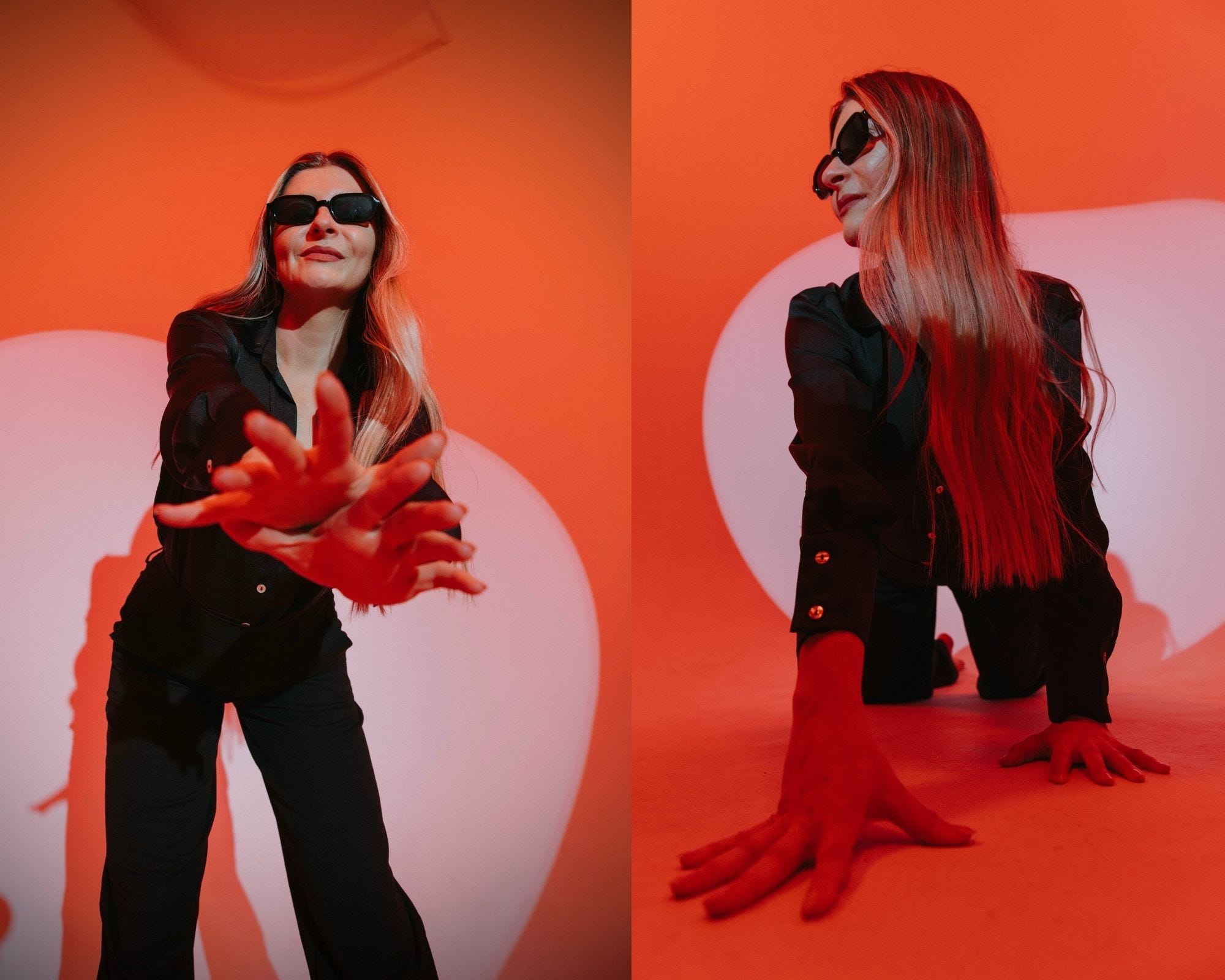
They have a podcast recording room that’s on my shortlist for when the Rich Future podcast launches later this year.
I like that they recently added themed rooms to make photoshoots feel more playful and immersive. I like that they have a recurring client base which tells me it’s already something more than a sterile rental facility.
I asked Carly whether that was intentional?
“Most studios in Phoenix are transactional. You book the space, you create, you leave. I wanted to build a place where relationships are just as important as the content being produced.”
She launched the new studio membership in January to build upon this sentiment. Members get studio access plus a new community layer: co-working sessions, education workshops, monthly dinners.
I asked what kinds of people are joining.
“Being a member signals a certain standard. We are seeing podcasters, photographers, videographers join with intention of building their skill set. It positions creatives as part of a vetted, professional ecosystem rather than a sea of freelancers.”
I find this interesting during a time when it’s easy for anyone with a smartphone to call themselves a content creator.
What separates a TikTok hobbyist from a professional creative?
Memberships like MKR MBR become a quality filter.
Founders and executives picked up on this.
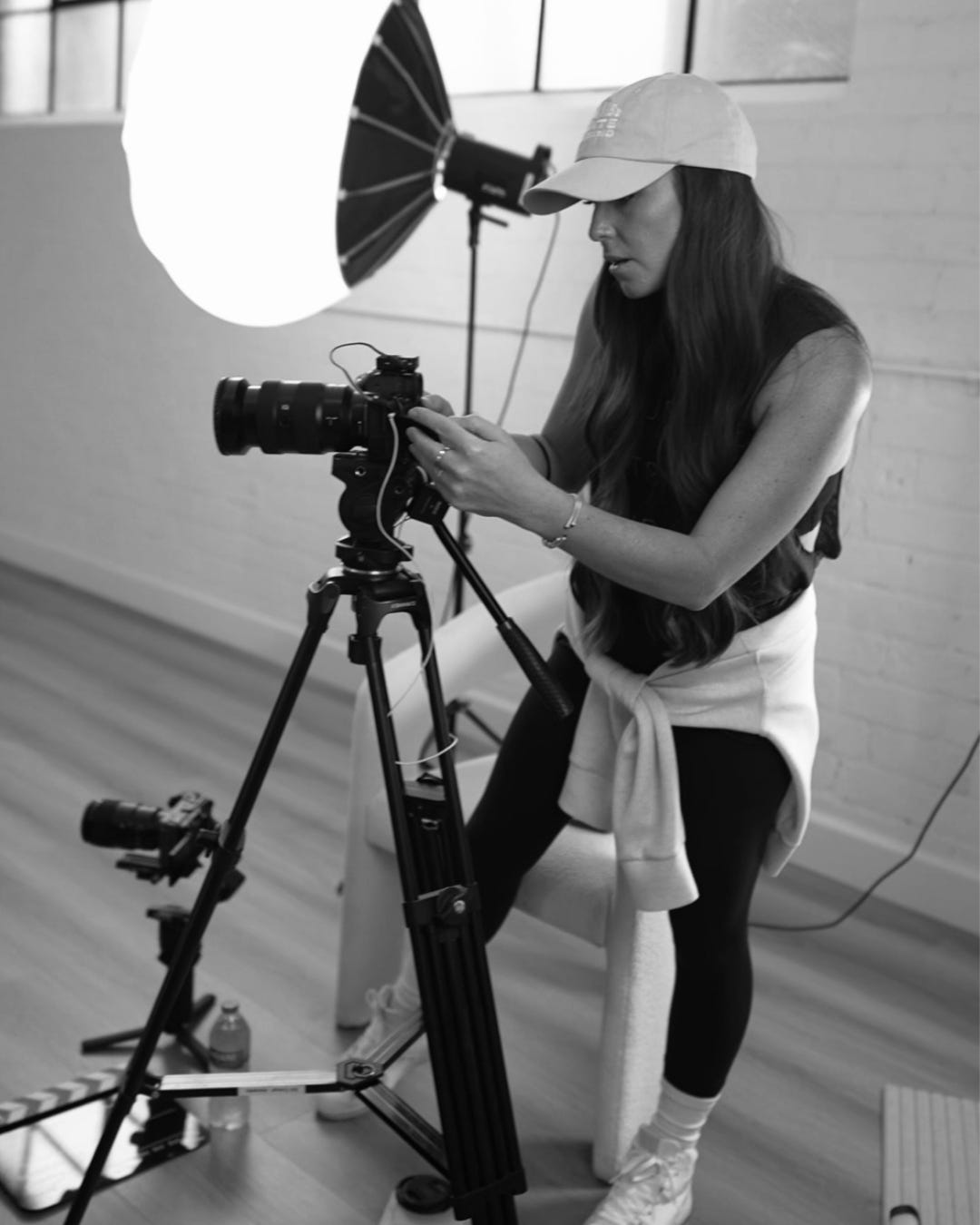
“Our members aren’t just surrounded by other creatives, they’re in rooms with founders, executives, and brand-forward leaders who actively need high-quality content.”
After speaking with Carly, I realized she’s building a community and something else at the same time…
Matchmaking infrastructure.
She’s facilitating the collision between creatives and the people who hire them. Community + Lead flow.
Feels very… Rich Future.
Over the coming months, AI will automate more of our tasks and free up more of our time.
The prevailing question will shift from "what can I automate?" to "what do I want to do with my free time?"
The founders building infra for IRL experiences right now are answering that question before most people have thought to ask it.
If you know someone building in this space, send them my way: hello@richfuturemedia.com
We wrap with a few news signals on my radar about where the future of money and culture are headed...

OpenAI will start rolling out ads to free and ChatGPT Go users. This was inevitable for a company with a $5B annual burn rate and 300M+ free users.
New York judge flips the script on the AI malpractice debate. “I think there may come a point where you’re committing malpractice if you don’t incorporate AI into your practice.”
Prediction markets hit $5B weekly volume… then face insider trading scandal. I doubt this was the first prediction market scandal but it’s the first one loud enough to prompt Congress to introduce the “Public Integrity in Financial Prediction Markets Act.”
The government wants to give creators benefits in the form of algorithm transparency and portable healthcare. This connects to what I wrote about last June on high schoolers graduating into the algorithm.
81 M&A deals were made on creator assets in 2025. Up 17.4% YoY.
Partner with Rich Future
I’m always looking to spotlight new companies, founders, or tools that are driving the future forward.
For brand partnerships, email us at hello@richfuturemedia.com